Kendrick Lamar
In The News, Political, Social

Kendrick Lamar’s Super Bowl LIX Halftime Show


A Moment Bigger Than Hip-Hop

Kendrick Lamar shut down Super Bowl LIX with a halftime performance that was more than just a show—a statement, a clapback, and a cultural milestone all wrapped into one. On February 9, 2025, Lamar became the first solo hip-hop artist to headline the Super Bowl, and he made sure to use that platform to go beyond entertainment. From the song choices to the deeper messages woven into every move, Lamar was in his bag—speaking on resilience, legacy, and shaking the system from the inside.

But let’s get real—this wasn’t just about Kendrick. Serena Williams and SZA’s surprise appearances added layers to the story, and if you know, you know. Drake had taken multiple shots at both women in his music, and their presence at Kendrick’s show? That was chess, not checkers.

Let’s break it all down.

Opening with Fire: Samuel L. Jackson Sets the Tone

Before Kendrick even hit the stage, the energy was set by Samuel L. Jackson, who pulled up dressed as Uncle Sam—but in full Kendrick style, this wasn’t no patriotic lovefest. With that signature voice, Jackson threw a lil’ shade at conservatives who always find something to be mad about, then made it clear: this performance was about culture, not just music.


A Performance with Purpose

Kendrick’s setlist wasn’t just about the bangers; every track was a message. He ran through “Alright,” “HUMBLE.,” and, of course, “Not Like Us”—which had the whole stadium lit. If you’ve been paying attention, you already know: this song is a straight-up diss to Drake, and Kendrick made sure everyone knew it.

Before jumping in, he threw a jab:

“I wanna perform their favorite song, but you know they love to sue.”

No names, but we all knew who that was for.

And when the beat dropped? The whole crowd was chanting “We ain’t like y’all!”

But here’s where it got wild—Serena Williams stepped out, and that moment wasn’t just random.


Serena Williams: A Silent Clapback with Loud Implications

Serena pulled up wearing blue, and if you know her history, you already caught the layers. Back in 2003, her sister Yetunde Price was killed in Compton by a member of the Crips. And yet, here was Serena, rocking blue on the Super Bowl stage, crip walking to “Not Like Us.” That’s full-circle resilience.

But it doesn’t stop there. Drake, who once dated Serena, threw shade at her and her husband Alexis Ohanian in his 2022 track “Middle of the Ocean,” calling Ohanian a “groupie.” Now imagine the energy of her dancing to a diss track aimed at her ex? Pure pettiness, pure power.

Serena even laughed about it after, saying:

“If I did this at Wimbledon, I’d be fined!”

She didn’t have to say much. Her presence alone said it all.


SZA: A Performance with History

Then there was SZA, who joined Kendrick for “All the Stars” and a new track, “Luther.” But this wasn’t just about music—SZA and Drake have history, too.

Drake once bragged about dating her back when she was just a teenager on “Mr. Right Now” (which had people side-eyeing him), and SZA later confirmed it, making it clear they were both young. Her being part of Kendrick’s show? Another power move.

Her performance bridged R&B and hip-hop, blending raw emotion with Lamar’s high-energy intensity. And let’s be real—her voice softened the punch of Kendrick’s hard-hitting lyrics, adding even more depth to the night.


A Moment for the Culture

Before closing out, Kendrick took a moment to address the audience directly:

“Look past the distractions. Focus on what really matters.”

He’s been talking about power, industry games, and the system for years, and tonight was no different. This wasn’t just about proving that hip-hop deserves a Super Bowl stage—it was about reclaiming narratives, challenging the industry, and showing the power of culture.


More Than a Show, It Was a Statement

Kendrick Lamar’s Super Bowl LIX halftime show wasn’t just about football or music—it was about making history while throwing a few petty shots along the way.

From Samuel L. Jackson’s opening to Serena crip walking in blue to SZA’s poetic presence, to the entire stadium screaming “Not Like Us”—this was a moment for the culture that’ll be talked about for years.

Kendrick didn’t just entertain. He made HIStory.

I came across this video on TikTok yesterday, and I really liked how she broke down the performance. Click here to watch!

Photo Source: Financial World
Political

Trump Tariffs on Imports

Trump’s about to hit Mexico, Canada, and China with some hefty tariffs starting Feb. 1. We’re talking 25% on goods from Mexico and Canada, and 10% on stuff coming from China. Why? According to White House spokesperson Karoline Leavitt, it’s all about cracking down on the fentanyl situation, which has caused a lot of harm in the U.S.

Trump’s plan is to use these tariffs as a way to pressure Canada, Mexico, and China to stop letting drugs and illegal immigrants into the U.S. Plus, he says this will help boost the government’s funds, although the U.S. businesses importing those goods (like Walmart and Target) will likely pass the cost onto us, the consumers.

When asked if there’d be any exceptions to the new tariffs, Leavitt had no answers. But Trump’s ultimate goal is to close the trade gap with these countries. For context, the U.S.’s trade deficit with Canada shot up from $31 billion in 2019 to $72 billion in 2023. With Mexico, it jumped from $106 billion in 2019 to $161 billion, mainly because we’re buying more stuff from them now instead of China.

Happy New Year!
Political

New Year, New Headlines: What’s Happened and How to Stay on Track

I am late, but hey! We are going into February, but we are still at the beginning of the new year. So, as we usher in the new year, it’s time to embrace fresh beginnings and reflect on the whirlwind of events that have already made headlines in 2025. From political shake-ups to corporate pivots, the start of this year has been anything but dull. Here are ten major happenings that have set the tone for the year:

  1. The Return of the Don: On January 20, Donald Trump was inaugurated as the 47th President of the United States, marking a historic non-consecutive second term. The ceremony was held inside the Capitol Rotunda due to a polar vortex, blended pomp, circumstance, and a touch of déjà vu.
  2. Target’s DEI Departure: Retail giant Target terminated several Diversity, Equity, and Inclusion initiatives, bowing to external pressures and signaling a shift in corporate culture. The move sparked debates on the role of DEI in today’s business environment.
  3. Greenland Grabs Headlines: President Trump reignited his interest in acquiring Greenland, citing its strategic importance. Despite Denmark’s firm refusal and Greenland’s push for independence, the administration remains undeterred, adding a frosty layer to international relations.
  4. Energy Emergency Enacted: In a controversial move, President Trump declared an “energy emergency,” a decision critics argue hampers renewable energy progress amidst a climate crisis. The declaration has ignited debates on the balance between energy needs and environmental stewardship.
  5. NATO’s New Mission: A new NATO mission was established in Wiesbaden, Germany, to coordinate Western military aid for Ukraine, underscoring the ongoing geopolitical tensions and the alliance’s commitment to regional stability.
  6. Tech Extravaganza in Vegas: The annual CES expo in Las Vegas showcased groundbreaking innovations, from AI-driven gadgets to futuristic transportation solutions, setting the stage for technological advancements in the coming years.
  7. Belarus at the Ballot Box: Belarus held its presidential elections, a pivotal moment for the nation as it navigates internal challenges and external pressures, with outcomes that could reshape its political landscape.
  8. Schengen Expansion: Romania and Bulgaria officially became part of Europe’s Schengen area, enabling passport-free travel across the continent and representing a major step forward in European integration.
  9. Britain’s Border Fee: The UK implemented an entrance fee for travelers, a move that has travelers checking their wallets and could have implications for tourism and international relations.
  10. Auschwitz Anniversary: Poland commemorated the 80th anniversary of the liberation of Auschwitz, honoring the memory of Holocaust victims and reflecting on the lessons of history.  

As the new year unfolds, many of us set ambitious resolutions—be it hitting the gym, mastering a new skill, or finally organizing that chaotic closet. But let’s be honest: by now, some of those goals might have slipped through the cracks. If you’ve stumbled on your resolutions, fear not! Here are five tips to get back on track:

  1. Reassess Realistically: Ensure your goals are achievable. It’s great to aim high, but setting realistic targets increases the likelihood of success.
  2. Break It Down: Divide larger goals into manageable steps. Celebrating small victories can keep you motivated.
  3. Schedule It: Allocate specific times in your calendar for activities related to your goals. Treat these appointments with the same importance as work meetings.
  4. Find an Accountability Buddy: Share your goals with a friend or join a group with similar objectives. Mutual support can be a powerful motivator.
  5. Be Kind to Yourself: Setbacks happen. Instead of dwelling on them, focus on what you’ve achieved and use any missteps as learning opportunities.

As we navigate the rest of 2025, let’s stay positive and motivated! What are you looking forward to this year? Any goals or aspirations you’d like to share? Let’s gooooooo!

Debate 2024 - 9/19/24
Political

2024 Presidential Debate Breakdown: Fact-Checks, Pros, and Cons of Harris vs. Trump

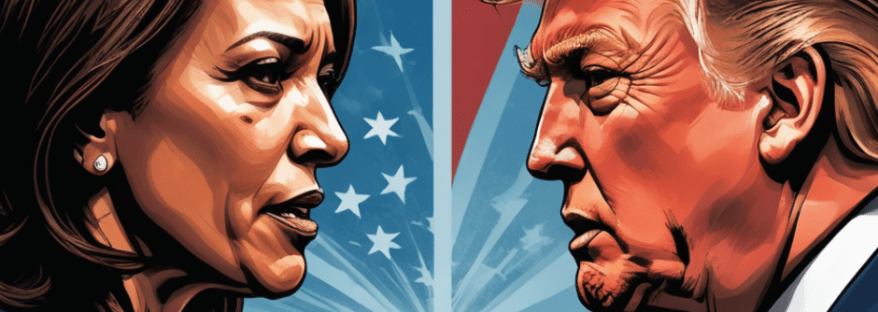
The first 2024 Presidential Debate on September 10 was an interestingly comical event, in some areas, between Vice President Kamala Harris and former President Donald Trump. Both candidates came ready to “cap” on one another, and there was plenty to unpack regarding their claims, as well as how voters might see their value for the election.

Fact-Checks and Debate Outcome

The candidates made bold claims that were later verified for accuracy:

  • Trump on Abortion: He falsely claimed that a former Virginia governor supported doctors deciding to “execute” newborns. This is a serious misunderstanding of a 2019 comment about nonviable fetuses. The discussion was about medical care, not killing infants. Source: Poynter.org
  • Harris on Oil Production: Harris’s claim that the Biden administration presided over the largest increase in oil production in history was partially accurate. Although production reached record levels, the year-to-year increases during the Trump and Obama administrations were greater. Source: Politifact.com
  • Trump on Job Fraud: Trump claimed that the Biden administration engaged in job data fraud by citing an 818,000-job correction; however, this adjustment was actually part of a routine annual statistical update and not fraudulent in nature. Source: Poynter.org
  • Harris on Unemployment: She argued that Trump left the U.S. with the highest unemployment rate since the Great Depression. Although unemployment did spike during the pandemic, it had significantly declined by the time Trump finished his term. Source: Politifact.com

As for the debate’s outcome, it was clear that both candidates stuck to their core platforms, with Harris focusing on the Biden administration’s accomplishments, while Trump energized his supporters with criticisms of the current administration, there was no definitive winner; both candidates displayed moments of strength and inaccuracies. However, the night clearly highlighted their differing approaches.

Now, let’s talk about the pros and cons of both candidates.

Pros and Cons of Voting for Kamala Harris

Pros:

  • Experience: As Vice President, Harris has direct experience in managing national issues like the pandemic and foreign policy.
  • Progressive Policies: She supports initiatives like criminal justice reform, climate action, and healthcare expansion, which appeals to voters seeking social change.
  • Representation: Harris represents diversity, breaking barriers as the first woman, African American, and South Asian Vice President.

Cons:

  • Moderate Pushback: Some progressive voters feel Harris hasn’t pushed far enough on liberal policies.
  • Criticism on Key Issues: Her handling of immigration and inflation has drawn criticism, with some voters feeling progress has been slow.
  • Lower Favorability: Polling data suggests Harris faces challenges in winning over undecided or independent voters.

Pros and Cons of Voting for Donald Trump

Pros:

  • Economic Strength Pre-COVID: Supporters credit Trump with strong economic performance before the pandemic, including job creation and tax cuts.
  • Populist Appeal: Trump’s “America First” policies resonate with many voters who feel neglected by globalization and want strong domestic focus.
  • Judicial Legacy: He appointed numerous conservative judges, including three Supreme Court justices, which appeals to voters focused on issues like abortion and gun rights.

Cons:

  • Controversial Rhetoric: Trump’s divisive language around immigration, race, and gender has been a source of national polarization.
  • Pandemic Response: His handling of the COVID-19 crisis drew significant criticism, especially regarding his downplaying of the virus’s severity.
  • Legal Troubles: Trump’s ongoing legal battles, particularly related to the January 6 Capitol riots, raise concerns about his ability to lead effectively.

Both Harris and Trump bring unique visions for America, each rooted in their respective party ideologies. Harris promises to build on the Biden administration’s policies, with a focus on inclusivity and reform, while Trump offers a return to his version of “America First,” emphasizing economic growth and conservative values. The choice is ultimately about what direction voters want the country to go.

What are your thoughts? Please share them.

Political

How the 2024 Election Will Affect Our Economy: Pros, Cons, and What to Consider When Voting

The 2024 election will have a big impact on the U.S. economy, with changes in taxes, spending, and regulations. One major benefit could be economic growth and stability. Different candidates have different ideas about taxes, which can affect business investment and consumer spending. Lower corporate taxes, for example, can lead to more investments and job creation. Increased spending on infrastructure can also create jobs and boost economic activity, leading to long-term growth. Policies that promote innovation and technology can drive economic growth, improve productivity, and help the U.S. stay competitive globally.

Another advantage comes from social programs that reduce inequality. Expanding healthcare access can lower overall healthcare costs and improve public health, making the workforce more productive. Investments in education can improve workforce skills, leading to higher wages and less income inequality. Strengthening social safety nets can provide a more secure environment for vulnerable people, reducing poverty and inequality.

However, these benefits come with some downsides. Increased spending on social programs, infrastructure, and other initiatives can raise the national debt and budget deficits, potentially leading to higher interest rates and less private investment. Higher taxes to fund this spending can discourage investment and reduce consumers’ disposable income, potentially slowing economic growth. Stricter regulations can also increase costs for businesses, leading to lower profits, reduced investment, and job losses. Additionally, policy changes can create uncertainty for businesses, potentially delaying investment decisions and slowing economic growth.

When voting, it’s important to consider several factors. Think about how proposed tax and spending policies will affect your income, expenses, and overall financial situation. Consider the potential long-term impacts of these policies on economic growth, stability, and inequality. Assess the candidates’ approaches to managing the national debt and budget deficits. Also, consider how changes in regulation might impact business operations, job creation, and economic growth. Finally, evaluate the potential effects of policies on healthcare, education, and social safety nets, particularly for vulnerable populations.

Saying all this, the 2024 election will shape the U.S. economy in significant ways. Understanding the economic implications of each candidate’s policies and considering how they align with your values and priorities is essential for making an informed decision when you vote. What are your thoughts?

Political

Should President Joe Biden Step Down?

As President Joe Biden nears the end of his first term, some people are wondering if he should step down. There are good reasons on both sides of this debate, so let’s look at the pros and cons and see what people are thinking.

One big reason why some think Biden should step down is his age. At 81, he’s the oldest president we’ve had. Some people worry about his health and whether he can keep up with the demands of the job. If he stepped down, it might make way for a younger, more energetic leader. This could also give the Democratic Party a chance to come together behind a new candidate before the 2024 election.

However, there are also good reasons for him to stay. Changing leaders now could create instability and mess up important projects and policies that are already in motion. Some people think Biden’s steady hand is needed to keep things on track, especially after the mixed results of the 2022 mid-term elections. Plus, it’s very rare for a president to step down voluntarily, and doing so could set a tricky precedent for the future.

People’s opinions on this issue are mixed. Many of Biden’s supporters believe he’s done a good job handling the pandemic, economic challenges, and international issues. They value his experience. But critics are concerned about his age and some of his public mistakes. They think a younger leader might be better suited to address the country’s needs.

Politically, Republicans and Democrats see this issue differently. Many Republicans think Biden should step down due to concerns about his ability to lead effectively. They hope a new leader might bring policies that align more with their views. On the other hand, Democrats are split. Some believe Biden should continue because of his achievements and experience, while others think it might be time for a fresh face to bring new energy to the party.

This is a complicated issue with strong arguments on both sides. What do you think? Should President Biden step down, or should he continue to lead the nation? Hmmm, let’s talk about it!

Political

Rosalynn Carter’s Life: From Small Town to Big Role

Rosalynn Carter, who was a top adviser to her husband, President Jimmy Carter, passed away at 96. She was known for shaping the role of First Lady, advocates for mental health, and influencing policies during and after their time in the White House. Rosalynn was an active force, sitting in on Cabinet meetings, advising on various issues, and even championing mental health legislation. Her dedication extended beyond the presidency, co-founding the Carter Center, focusing on human rights and global suffering reduction.

Born in a small village, Rosalynn faced challenges early on after her father’s death. Despite hardships, she excelled academically and met her future husband, Jimmy Carter, at a young age. Their marriage lasted more than 77 years, setting a record for the longest presidential union in U.S. history.

During her husband’s presidency, Rosalynn didn’t settle for a ceremonial role. She ventured on diplomatic missions, engaging in substantive talks across Latin America, advocating for important issues like human rights, arms reduction, and more. She was also a key player in the historic Camp David peace talks between Israel and Egypt.

Known for her strong will, she pushed for changes during challenging times, urging her husband to address the nation’s “crisis of confidence.” Despite criticism, she expanded the role of the First Lady, attended Cabinet meetings, and worked on policy matters. However, some doubted her commitment to feminism despite her significant professional achievements.

Beyond politics, she devoted herself to mental health advocacy, successfully influencing major mental health legislation. Her efforts faced setbacks but left a lasting impact on raising awareness and support for those affected.

Even after leaving the White House, Rosalynn remained active, co-founding the Carter Center and continuing her work on mental health. Her partnership with Jimmy Carter extended far beyond their political life, involving charitable endeavors like building homes with Habitat for Humanity.

Her legacy as a strong, influential, and dedicated figure in American history will be remembered fondly. Rosalynn Carter’s impact on mental health awareness and her tireless dedication to public service leave an enduring mark on the nation.

Political

Understanding Hamas and Its Global Impact

In a world filled with complex global issues, it’s essential to have a clear understanding of organizations like Hamas and the impact they have. So, what’s going on with Hamas, and how is it affecting the world? Let’s break it down in simple terms.

Who Is Hamas?

Hamas is a Palestinian political and military organization that was founded in 1987. Its full name is “Harakat al-Muqawama al-Islamiya” or the “Islamic Resistance Movement.” It operates primarily in the Gaza Strip and the West Bank, two territories in the Middle East that are at the center of the Israeli-Palestinian conflict.

What Are Its Goals?

Hamas has two main objectives:

  1. Resistance Against Israel: Hamas is known for its armed resistance against the state of Israel. It opposes Israeli control over Palestinian territories and seeks to establish an independent Palestinian state.
  2. Islamist Governance: Hamas also has a political wing that governs the Gaza Strip. In 2006, it won the Palestinian Legislative Council elections, gaining control of Gaza. Since then, it has been the de facto authority in the territory.

How Does It Affect the World?

Israeli-Palestinian Conflict:

Hamas plays a significant role in the Israeli-Palestinian conflict. Its armed confrontations with Israel often lead to violence and casualties on both sides, causing international concern and making it challenging to reach a peaceful resolution.

Regional Tensions:

Hamas’s actions have a ripple effect in the Middle East, influencing relations between countries in the region. For instance, its ties with Iran have caused tensions with other Arab nations that oppose Iran’s influence.

Humanitarian Consequences:

The ongoing conflict between Hamas and Israel has led to humanitarian crises in Gaza, with its residents facing challenges such as limited access to basic services, including healthcare, education, and clean water.

Global Diplomacy:

Hamas’s status as a designated terrorist organization by many countries complicates international diplomacy and negotiations related to the Israeli-Palestinian conflict. It can hinder efforts to find a peaceful solution to the long-standing issue.

In Conclusion

Hamas is a complex organization with both political and military wings. Its actions and goals have far-reaching effects on the Israeli-Palestinian conflict, regional tensions, and global diplomacy. Understanding its role is crucial for anyone interested in the challenges and complexities of the Middle East.

Here are some questions:

  1. How might the global community balance its concerns about the actions of Hamas with the imperative to find a peaceful resolution to the Israeli-Palestinian conflict?
  2. In what ways do the regional tensions influenced by Hamas’s actions exemplify the broader complexities of political relationships in the Middle East, and what are the potential solutions to these tensions?
  3. Can international diplomacy effectively address the challenges posed by designated terrorist organizations like Hamas, and how can negotiations be facilitated to promote stability and peace in the Middle East?

What are your thoughts and comments?

Political

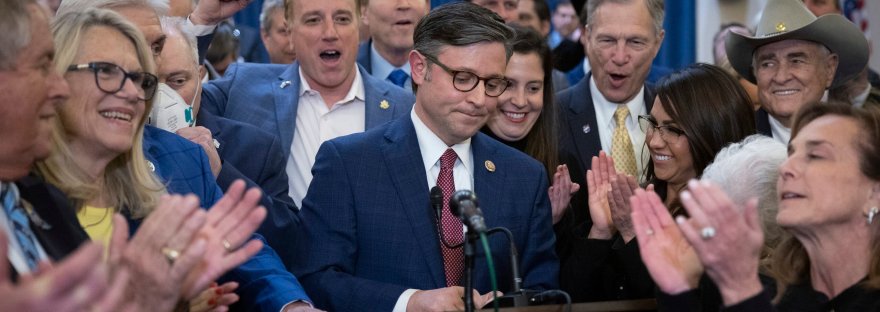
Trump Supporter Mike Johnson Becomes House Speaker, Leading GOP to the Conservative Side

In a big political moment, Republican Congressman Mike Johnson, who’s known for his close ties to former President Donald Trump, has been chosen as the new House Speaker. This move shows that the GOP, or the Republican Party, is leaning more to the conservative side. It could make the political scene more confrontational and divided.

Mike Johnson is from Louisiana and has always supported Trump’s ideas and policies. He’s been a part of a group of very conservative Republicans called the House Freedom Caucus. Now, with him as House Speaker, it’s a sign that the Republican Party is embracing a more aggressive and conservative way of doing things.

One of the main reasons for his election is his support for the “America First” agenda. This is all about things like strict rules on immigration, protecting American businesses, and a tough approach to other countries. Johnson becoming House Speaker tells us that the GOP is doubling down on these ideas.

What happens next could be a big deal. With Johnson in charge, the Republican-controlled House will likely focus on things like cutting taxes, getting rid of regulations, and controlling who comes into the country. This might make the political disagreements between the two major parties even worse.

Also, working with Democrats might get harder. Johnson’s ties to Trump and his strong belief in conservative ideas suggest that reaching agreements with the other side could be tricky. This could make it tough to pass important laws on things like fixing roads, healthcare, or dealing with climate change.

The GOP moving further to the right is a big change. It might fire up the party’s supporters and win over very conservative voters. But it could also push away more moderate Republicans and create problems within the party. We’ll have to see if this new direction is a good or bad move in the long run.

One thing is sure: Mike Johnson becoming House Speaker is a big moment in the story of the Republican Party. The GOP is showing that it’s serious about sticking to conservative values and ideas. This change could lead to a more divided and argumentative time in American politics, with the fight for the future of the Republican Party continuing in the spotlight.

Here are a couple of questions:

  1. How has Mike Johnson’s election as House Speaker influenced the Republican Party’s direction?
  2. What specific policies and principles does Mike Johnson’s House Speakership represent?
  3. What are the potential implications of the GOP’s shift towards conservatism for bipartisan cooperation?
  4. How might the division within the Republican Party be affected by this move?
  5. In what ways might Mike Johnson’s association with Donald Trump impact his leadership as House Speaker?

What are your thoughts and comments?

Economic, Political, Social

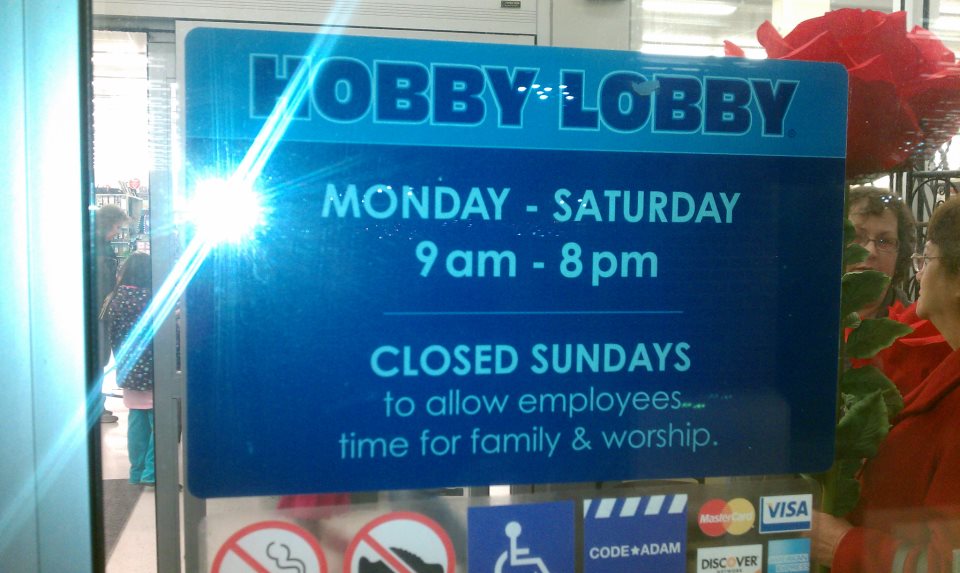
Hobby Lobby: A matter of FAITH

Hobby Lobby SignI took this photo tonight when I went to take advantage of Hobby Lobby‘s 40% off sale on their stamps.  I spent $40 bucks on some awesome stamps, mostly Christian.

I got home and noticed that I received a response regarding the photo you see here on my Facebook.  It wasn’t bad, just their opinion that Hobby Lobby is “suing the federal government so they don’t have to do things like provide equitable health insurance coverage for their workers” and that the sign in the company’s entrance was merely a “window dressing”.  That sign has been up there since I have been patronizing the store.  I just took a photo of it because I thought it was cute.  Who would have thought it would turn into a blog entry?

My response is as follows, respectfully:

I haven’t really followed this, but what i know is that Hobby Lobby is a Christian based company.  They refuse, if i am not mistaken, to agree with the federal’s birth control mandate (paying for the “morning after pill”).  I understand and respect that because they are Christians who standing by what they believe in.  On their website, it clearly states they are  “honoring the Lord in a manner consistent with biblical principles,”

Also, i understand that Hobby Lobby isn’t alone in suing the Obama administration over this mandate (new health care law by President Barack Obama). There are other groups fighting against this mandate, it’s just that Hobby Lobby is the largest.

I am a Christian and I love to craft. I support their decision.  We are still respecting the First Amendment right?  Not all insurances pay for abortions or anything that “causes” an abortion, such as the morning after pill.  So why make this company do it?  I don’t think that’s fair.

I spoke with some workers there tonight and they are not happy with what the government is doing.  They are happy Hobby Lobby is fighting.  I mean, $1.3 million in daily fines if he doesn’t pay for types of contraception. YIKES!  It’s not like their employees are being mistreated.  They are actually getting good insurance coverage and getting paid well.  So, unless an employee had an issue with it, why did the government come after Hobby Lobby?  This company refuses to pay for the morning after pill.  They refuse to pay for “abortion-inducing drugs.”  They are staying true to their faith.  They will not be the first! Heck, my insurance doesn’t pay for it and I have GREAT insurance!

Ok, so now we have Walmart, who is a Christian-based company and Hobby Lobby.  I wonder are they going to go after Kraft’s Macaroni and Cheese next.  He’s, James L. Kraft,  was a Christian and his company was founded on Christian principles.

Bottom line: We all have free will.

This is my opinion.

What are your thoughts?