Self Care

Stroke of Genius: A Hilarious Guide to Bouncing Back!

Life is like a game of Mario Kart – you’re cruising along, and then BAM! A banana peel called a stroke comes outta nowhere. But guess what? You’re not just any racer; you’re the one who’s about to make an epic comeback. OH YEA! Welcome to my guide to recovering from a stroke with style, humor, and a whole lot of attitude! LET’S GO!

Mind Games: Outsmarting Brain Farts

So, you’ve got this new sidekick called Brain Farts. Forgot where you left your keys? Couldn’t remember your neighbor’s name? No worries – it’s just your brain doing the cha-cha. Embrace the mental gymnastics with brain games, puzzles, and a sense of humor. It’s like flexing your mental biceps – you’ll be a mental ninja in no time.

Bod Squad: Flexing Those Recovery Muscles

Rehab, my friend, is the new gym – Stroke Gym, that is. Say hello to your personal trainer – Physical Therapist Extraordinaire. Limbs feeling like spaghetti? Time to turn them into noodles of steel. Throw in some funky dance moves, and you’ve got yourself a workout routine that’ll make even Jane Fonda proud. Yea, I said JANE FONDA! IYKYK!

Zen Zingers: Finding Inner Chill

Spiritual renewal, anyone? Meditation, journaling, yoga, or just sitting in a comfy chair contemplating the meaning of life – whatever floats your boat. Inner peace is the new black, and you, my friend, are about to become the trendsetter. DO NOT LET ANYONE MESS WITH YOUR PEACE!

Bank Breakdance: Financial Recovery Boogie

Money got you doing the cha-cha-cha? I feel you! Time to break out the financial recovery boogie. It’s like budgeting but with more pizzazz. Cut unnecessary expenses, make a game plan, and remember – you’re not broke; you’re just pre-rich. GET ON A BUDGET! It is hard in the beginning, but it gets better! Check out The Budget Babe to get a planner that will change your life!

Crew Love: Your Ride-or-Die Support System

Nobody conquers the world alone. Your squad – family, friends, and the occasional nosy neighbor – they’re your ride-or-die crew. Let them in on the joke that life threw at you, and watch how they turn your recovery into a Blockbuster comedy. Laughter truly is the best medicine. I surround myself with good authentic crazy! I love them! Get you a crew! And please, do an inventory of your TRUE friends. No one who smiles in your face and talks behind your back. I mean, not even take up for you in a room that discusses you. Just sayin’.

Life’s a rollercoaster, and strokes are just unexpected loop-de-loops. BELIEVE ME! But guess what? You’re the daredevil ready to conquer them all. Embrace the quirky, funny side of recovery in this unpredictable world. It’s not just a comeback; it’s a stand-up comedy routine starring you. Get ready to laugh, dance, and show life that strokes ain’t got nothin’ on your inner swag. You’re not bouncing back; you’re bouncing back with a mic drop. Boom!


Self Care, Social

Helping Men Feel Safe to Share: Why They Need Support Too

In a world where people often expect men to be tough and not show their feelings, the idea of creating safe places for men to open up without being judged might sound a bit different. But it’s really important for their emotional well-being. In a world where people often expect men to be tough and not show their feelings, the idea of creating safe places for men to open up without being judged might sound a bit different. But it’s really important for their emotional well-being. Men feel a lot of different things, just like anyone else, and they should have a place where they can talk about their feelings without worrying about what others might think.

The Pressure to Conform

Societal norms and traditional gender roles have historically placed a great deal of pressure on men to conform to certain expectations. Men have been expected to be strong, stoic, and unemotional, often discouraged from displaying vulnerability. This societal pressure can be stifling, leading to emotional suppression and potential mental health issues.

Men, Emotions, and Mental Health

Mental health is a critical aspect of overall well-being. However, the reluctance to express emotions can have detrimental effects on men’s mental health. While it’s important to emphasize that men and women may experience emotions differently, this doesn’t mean that men should be denied the opportunity to express themselves emotionally.

Suppressing emotions and bottling up feelings can lead to various psychological issues, such as depression, anxiety, and anger management problems. It’s crucial to understand that vulnerability and emotional expression are not signs of weakness; rather, they are manifestations of our shared humanity.

The Benefits of Safe Spaces for Men

Creating safe spaces for men to be vulnerable without judgment offers several important advantages:

  1. Improved mental health: Encouraging emotional expression can lead to better mental health outcomes, reducing the likelihood of emotional issues going unaddressed.
  2. Strengthened relationships: Men who can openly express their emotions often find it easier to connect with others and build stronger, more meaningful relationships with friends and family.
  3. Reduced societal pressure: Safe spaces provide men with the opportunity to break free from the constraints of traditional gender norms and be their authentic selves.
  4. Enhanced self-awareness: Emotional expression fosters self-awareness, helping men better understand their feelings, thoughts, and behaviors.
  5. Social support: Safe spaces offer a network of support, where men can share their experiences and find comfort in the knowledge that they are not alone in their struggles.

Creating Safe Spaces

Establishing safe spaces for men to be vulnerable isn’t about excluding women or perpetuating stereotypes; it’s about acknowledging that all individuals, regardless of gender, deserve a space where they can express their emotions openly. Here are some steps we can take to create these spaces:

  1. Encourage open communication: Promote conversations about the importance of emotional expression and its benefits within the family, workplace, and community.
  2. Challenge stereotypes: Encourage critical thinking and dialogue that challenges traditional gender roles and stereotypes, allowing men to be more authentic and emotionally expressive.
  3. Support groups and organizations: Many support groups, counseling services, and mental health organizations offer spaces for men to share their feelings and experiences. These groups can be invaluable resources.
  4. Education and awareness: Raise awareness about the importance of mental health and emotional well-being for men through workshops, seminars, and social media campaigns.
  5. Active listening: Be a good listener. Sometimes, just providing a listening ear can be incredibly supportive.

Men need safe spaces where they can be vulnerable without judgment just as much as women. Emotions are universal, and suppressing them can be harmful to one’s mental health. By creating these spaces, we can encourage men to embrace their emotions, build healthier relationships, and ultimately lead happier, more fulfilling lives. It’s time to challenge societal norms and embrace the idea that vulnerability is not a sign of weakness but a testament to our shared humanity.

Three Questions to Think About:

  1. Why should men be denied the right to express their emotions openly, just like anyone else?
  2. What if suppressing feelings leads to mental health problems and unhappiness? Shouldn’t we do something about it?
  3. Can we create safe spaces where men can be themselves without judgment?

Let’s support the idea of safe spaces for men to be vulnerable. Encourage open conversations, challenge stereotypes, and be a listening ear. It’s time to embrace everyone’s humanity and promote well-being for all. That’s my TEDTalk for today!

Join the movement. It’s as simple as that. #MenMatterToo

Self Care, Uncategorized

MasterPeace

“When you master your mind, you master peace.”

A new, wise friend shared this with me about a month ago and it’s been stuck in my head ever since. Master your mind. Master peace. Masterpiece. It makes so much sense. So simple.. Let’s talk about mental health. I know LaShawnda just touched on the impact of social media on mental health, but let’s talk a little about the darker sides of it and how to get help. I’m no expert but I know a thing or two.

Once a taboo subject, we’re hearing about this everywhere these days. Often we hear about celebrities with mental health issues that have taken their own lives. Or we know someone who has. These were minds in crisis. These were minds that needed attention and help from someone to manage the stress and monsters in the closet that no one else can quite understand. Some people need medication. Others need to simply talk and share. I find myself in that latter category. 

Sometimes life is unbearable. Sometimes we know why, and can point to a person or situation that is causing the breakdown in our minds. Perhaps it is a job or family member or some other stressor that is wreaking havoc. Other times we have absolutely no idea it’s even happening. Some of us are fortunate enough to be self aware and are able to reach out before things turn really dark. Not everyone in a mental health crisis is suicidal or unpredictable. Sometimes we just need a moment to reset and recalibrate.

Mental health days. That’s a new term for those of us in Generation X or before. No one ever talked about these things before but in 1992 the World Federation for Mental Health and the World Health Organization declared October 10th to be a day to increase awareness. Since then, it is not uncommon to hear someone say they need a mental health day. Some organizations and workplace even provide it. What that means is the person is not sick, not on vacation, but just needs a mental break from everything. Everything could be work, working from home, people, daily stressors, anything that is causing a mental struggle.

The truth is, you DO have to master your own mind to have peace. How can you have peace if there is a constant war or struggle going on mentally? Maybe there isn’t even a known cause…maybe it’s some sort of chemical misfire in the brain. Again, I’m not an expert on this subject but know for a fact there have been times I needed a mental health day. There have been times in my life I reached out to counseling professionals to help me through a rough patch in life. I’ve said it before and I’ll say it again, self-care is not always yoga and bubble baths. Sometimes the best thing you can do for yourself is take a mental break, and if you can’t do it alone, call in an expert to help you. There is nothing wrong with asking for help and that is one of the biggest misconceptions in today’s society. You don’t have to have friends or family to lean on. Maybe they’re the last people on earth you would want to vent or talk to. We have a world of first class counselors, therapists, and support groups at our disposal.

Therapy is not always costly. If you don’t have insurance, there are plenty of options available. Look around. If you live in Michigan, go to: https://www.opencounseling.com/michigan.

Or look here at https://www.psychologytoday.com/us/therapists. If you live in another state or country, Google is your friendly resource to help.

If you or someone you know is suicidal, please call: the Suicide and Crisis Lifeline at 988.

Master your mind. Master peace. Best advice ever.

Self Care, Social

The Impact of Social Media on Mental Health: Trends and Concerns

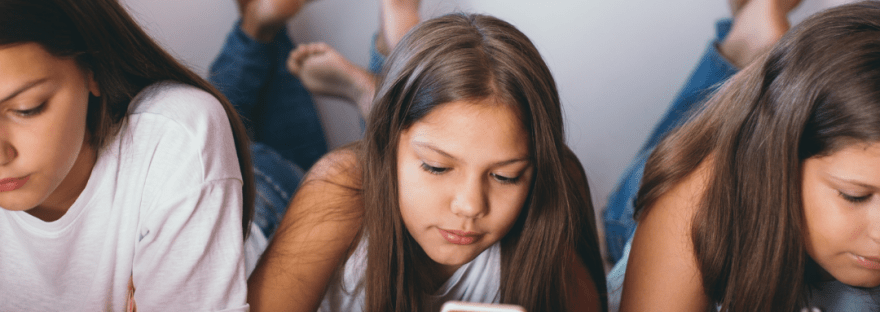
In this busy age of technology, where the world is at our fingertips, it’s undeniable that social media has become an integral part of our lives. From staying connected with loved ones to discovering new interests, social media has transformed the way we interact and share experiences. But as we dive deeper into the digital realm, it’s crucial to pause and ponder: What is the true impact of social media on our mental health? Good question, aye? Let’s go…

The Positive Side of Social Media

Before we delve into the concerns, it’s essential to acknowledge the positive aspects that social media brings to our lives. Platforms like Facebook, Instagram, Twitter, and TikTok serve as bridges connecting us to friends and family across the globe. They provide an avenue for self-expression, creative outlets, and an opportunity to build communities around shared interests. Furthermore, social media has proven instrumental in raising awareness about mental health itself, breaking down stigma, and encouraging conversations that promote understanding and empathy.

Trends in Social Media and Mental Health

Digital Detox and Mindful Usage: As people become more conscious of their online habits, the concept of “digital detox” is gaining traction. It involves taking breaks from social media to recharge and recalibrate. Mindful usage is another trend, where individuals learn to engage with social media in a way that’s positive and enriching rather than overwhelming.

Body Positivity and Authenticity: In response to the pressure of curated images and unattainable beauty standards, there’s a growing movement towards body positivity and authenticity. Influencers and individuals are embracing their imperfections, sharing their real selves, and celebrating diverse body types, leading to a more inclusive online space.

Supportive Online Communities: Niche communities are flourishing on social media, offering a safe haven for individuals dealing with various mental health issues. These spaces foster a sense of belonging and provide valuable resources, making individuals feel less alone in their struggles.

Concerns Surrounding Social Media and Mental Health

Comparison and Envy: One of the significant concerns is the “comparison trap.” Constant exposure to carefully curated lives on social media can lead to feelings of inadequacy and envy. Remembering that what we see online is often a highlight reel, not the full story.

Cyberbullying and Harassment: The “namelessness” provided by the internet sometimes brings out the worst in people, leading to cyberbullying and harassment. Such experiences can harm mental health, causing anxiety, and depression, and even driving individuals to isolation.

Fear of Missing Out (FOMO): FOMO is another challenge stemming from our connectedness. Seeing friends and acquaintances engage in seemingly exciting activities can bring up feelings of exclusion and loneliness.

Validation and Self-Worth: Relying on social media for validation can be problematic. The number of likes, comments, and shares can start to define one’s self-worth, leading to fluctuations in confidence based on online interactions.

In this digital age, social media has the power to shape our perceptions, attitudes, and mental well-being. As we continue to navigate this powerful realm, it’s important to strike a balance between our online and offline lives. Practicing digital detox, engaging mindfully, and seeking out supportive communities can contribute to a healthier relationship with social media. Let’s remember that while social media offers connectivity and creativity, our mental health should always be our top priority. OK? TOP PRIORITY!

Self Care

Embracing Your True Self: The Power of Self-Love

In a world that often emphasizes perfection and conformity, it’s easy to feel the pressure to fit into certain molds or meet unrealistic standards. However, true happiness and fulfillment can only be achieved when we learn to love and accept ourselves for who we truly are. Self-love is not just a fleeting feeling; it is a lifelong journey of embracing our strengths, acknowledging our flaws, and nurturing our authentic selves. In this blog post, we will explore the significance of loving who you are and provide actionable tips on cultivating self-love in your life.

  1. Embrace Your Uniqueness: Each of us is a unique individual, with a combination of qualities, experiences, and perspectives that make us who we are. Embrace your quirks, talents, and interests, and celebrate the things that set you apart from others. Remember, it is these distinct qualities that make you special and contribute to the richness of the world.
  2. Practice Self-Compassion: We all make mistakes and experience setbacks along the way. Instead of being overly critical of yourself, practice self-compassion. Treat yourself with the same kindness, understanding, and forgiveness you would extend to a dear friend. Embrace that you are a work in progress and that growth and self-improvement are continuous processes.
  3. Focus on Inner Beauty: While society often emphasizes external appearances, true beauty emanates from within. Cultivate qualities such as kindness, empathy, gratitude, and resilience. Nourish your mind, body, and soul through self-care practices that promote overall well-being. By nurturing your inner beauty, you will radiate confidence and attract positivity into your life.
  4. Set Healthy Boundaries: Loving yourself means honoring your own needs and setting healthy boundaries. Learn to say no when necessary, prioritize self-care, and surround yourself with people who uplift and support you. Setting boundaries will protect your emotional well-being and allow you to focus on what truly matters to you.
  5. Practice Self-Reflection: Take the time for self-reflection and introspection. Explore your values, passions, and goals. Understand what brings you joy and fulfillment, and align your actions with your authentic self. Regularly check in with yourself, assess your growth, and make adjustments as needed to stay true to who you are.
  6. Surround Yourself with Positivity: Choose to surround yourself with positive influences. Surrounding yourself with supportive and encouraging individuals who celebrate your uniqueness and encourage your personal growth will contribute to your overall self-love journey. Seek out inspirational books, podcasts, or online communities that promote self-love and personal development.

Loving who you are is not always easy, but it is one of the most empowering and rewarding journeys you can embark upon. Embrace your true self, practice self-compassion, and set healthy boundaries. Focus on nurturing your inner beauty, reflect on your values, and surround yourself with positivity. Remember, self-love is a lifelong commitment, and by embracing and accepting who you are, you pave the way for a more fulfilling and joyful life. Embrace your uniqueness, and let your light shine brightly for the world to see.