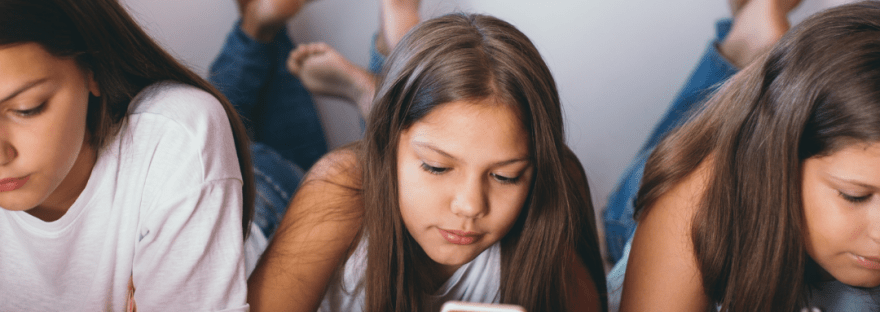
In this busy age of technology, where the world is at our fingertips, it’s undeniable that social media has become an integral part of our lives. From staying connected with loved ones to discovering new interests, social media has transformed the way we interact and share experiences. But as we dive deeper into the digital realm, it’s crucial to pause and ponder: What is the true impact of social media on our mental health? Good question, aye? Let’s go…
The Positive Side of Social Media
Before we delve into the concerns, it’s essential to acknowledge the positive aspects that social media brings to our lives. Platforms like Facebook, Instagram, Twitter, and TikTok serve as bridges connecting us to friends and family across the globe. They provide an avenue for self-expression, creative outlets, and an opportunity to build communities around shared interests. Furthermore, social media has proven instrumental in raising awareness about mental health itself, breaking down stigma, and encouraging conversations that promote understanding and empathy.
Trends in Social Media and Mental Health
Digital Detox and Mindful Usage: As people become more conscious of their online habits, the concept of “digital detox” is gaining traction. It involves taking breaks from social media to recharge and recalibrate. Mindful usage is another trend, where individuals learn to engage with social media in a way that’s positive and enriching rather than overwhelming.
Body Positivity and Authenticity: In response to the pressure of curated images and unattainable beauty standards, there’s a growing movement towards body positivity and authenticity. Influencers and individuals are embracing their imperfections, sharing their real selves, and celebrating diverse body types, leading to a more inclusive online space.
Supportive Online Communities: Niche communities are flourishing on social media, offering a safe haven for individuals dealing with various mental health issues. These spaces foster a sense of belonging and provide valuable resources, making individuals feel less alone in their struggles.
Concerns Surrounding Social Media and Mental Health
Comparison and Envy: One of the significant concerns is the “comparison trap.” Constant exposure to carefully curated lives on social media can lead to feelings of inadequacy and envy. Remembering that what we see online is often a highlight reel, not the full story.
Cyberbullying and Harassment: The “namelessness” provided by the internet sometimes brings out the worst in people, leading to cyberbullying and harassment. Such experiences can harm mental health, causing anxiety, and depression, and even driving individuals to isolation.
Fear of Missing Out (FOMO): FOMO is another challenge stemming from our connectedness. Seeing friends and acquaintances engage in seemingly exciting activities can bring up feelings of exclusion and loneliness.
Validation and Self-Worth: Relying on social media for validation can be problematic. The number of likes, comments, and shares can start to define one’s self-worth, leading to fluctuations in confidence based on online interactions.
In this digital age, social media has the power to shape our perceptions, attitudes, and mental well-being. As we continue to navigate this powerful realm, it’s important to strike a balance between our online and offline lives. Practicing digital detox, engaging mindfully, and seeking out supportive communities can contribute to a healthier relationship with social media. Let’s remember that while social media offers connectivity and creativity, our mental health should always be our top priority. OK? TOP PRIORITY!
 ImpactU: Social, Economic and Political YOU!